

“Air Pollution Impacts” is a topic that is no longer foreign to the majority of people these days. And in fact, it has been a problem that affects everyone for so long.
What is Pollution?
Pollution is an invisible threat that introduces contaminants into the environment and is harmful to every living thing. Therefore, dangerous solids, liquids, or gases are examples of pollutants that can degrade the quality of our environment.
What is “Air Pollution Impacts”?
Generally, pollution is the presence of dangerous contaminants which are harmful to a living thing. However, “air pollution impacts” refers to the abnormal presence of contaminants such as chemicals or substances in the air. As a result, it may reduce the air quality we breathe in and proposes health risks and environmental damage.
Example of Air Pollutants
Most air contaminants are invisible, and it is hard for us to detect them by our senses of sight or smell. Nonetheless, this does not rule out the possibility that they exist to pose risks. Therefore, here, we included some common air pollutants examples for your reference:
- Ozone (O3)
- Sulfur dioxide (SO2)
- Carbon monoxide (CO)
- Nitrogen dioxide (NO2)
- Particulate matter (PM10 and PM2.5)
The Risks it Holds on The Humans
Nobody is exceptional when it comes to air pollution impacts and risks. However, certain groups may experience severe consequences as compared to others. When talking about air pollution impacts, individuals with heart/coronary artery diseases or congestive heart failure are among those most at risk. Therefore, here is an extensive list of the people who belong to the group:
- Pregnant women
- Outdoor laborers
- Older folks and the elderly
- Children under the age of 14
- Athletes who engage in strenuous outdoor activities
- Individuals with lung disorders such as asthma, emphysema, or chronic obstructive pulmonary disease (COPD)
Air Pollution Impacts on Human Beings
When concentrated air pollution gathers in the atmosphere, it can be very harmful. The effects can range from mild symptoms such as coughing or wheezing. But, air pollution impacts’ symptoms may slowly turn severe starting with chest tightness. Hence, these are some other conditions that humans may experience due to long-term exposure to air pollution:
- Cancer
- Asthma
- Skin problems
- Worsen lung and heart conditions
- Chronic obstructive pulmonary disease
- An increased chance of having a heart attack
- Damage to immune, neurological, reproductive, and respiratory systems
Where Do The Air Pollution Sources Come From?
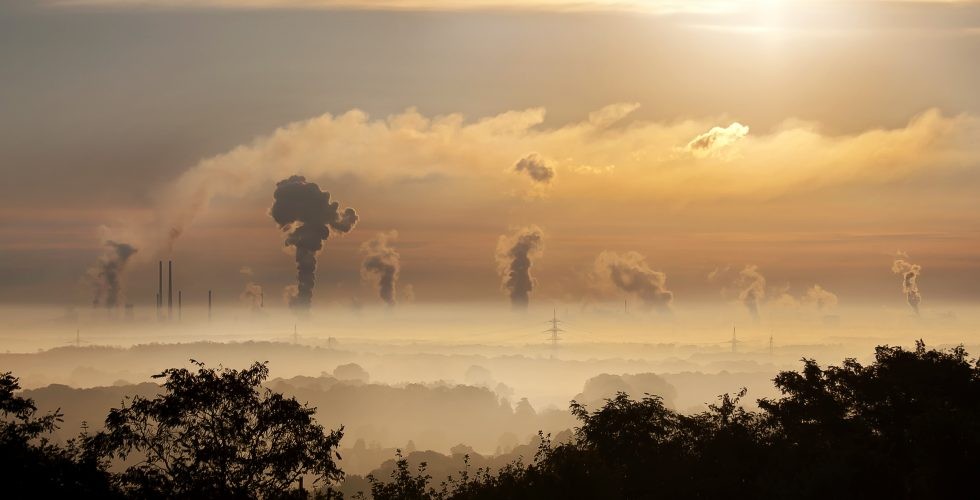
There are various types of pollution that reach the Earth’s atmosphere. As expected, humans are the prime source of air pollution. Human acts usually have unfavorable effects on almost everything. Emissions from factories, automobiles, planes, and aerosol cans usage are some examples of the sources of air pollution. Nonetheless, here are two of the most significant sources of air pollution:
Natural Causes
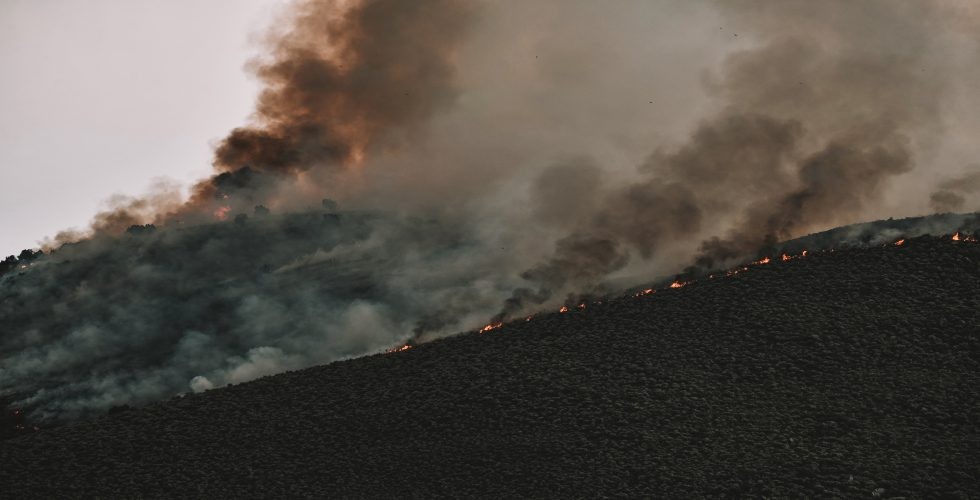
- Wildfires – Increase the amount of carbon monoxide and particulate matter (PM) in the atmosphere; containing organic contaminants such as polycyclic aromatic hydrocarbons (PAHs).
- Volcanic activities – Volcanic eruptions release a variety of hazardous gases including sulfur and chlorine. Also, fine particulate matter such as ash particles can be found, which can cause health problems.
- Temperature rising – Leads to a rise in the number of toxins that are released into the atmosphere as a result of polluted soil and water.
Anthropogenic (caused by humans)
- Agriculture – Pollutes the environment primarily by the emission of ammonia gas and the use of pesticides, herbicides, and insecticides that contain hazardous volatile organic compounds (VOCs).
- Transportation – Releases a variety of air pollutants including gases such as carbon monoxide, sulfur oxides, and nitrogen oxides, as well as particulate matter (PM).
- Waste Incineration – Depends on the content of the waste, the release of numerous toxic gases, and the amount of particulate matter released into the atmosphere.
- Industrial Operations – Both organic and inorganic pollutants can be released into the environment by industrial operations. This is due to unintentional leakages of stored chemicals, or improper chemical handling and storage.
- Construction and Demolition – Caused by various construction materials. The destruction of old buildings, which may contain a variety of banned substances such as polychlorinated biphenyls (PCBs), polybrominated diphenyl ethers (PBDEs), and asbestos, poses a particular concern.
How Air Pollution Impacts The Environment?
From smog hanging over cities to smoke inside the home, air pollution poses a major threat to health and climate. The combined effects of ambient (outdoor) and household air pollution cause about seven million premature deaths every year, largely as a result of increased mortality from stroke, heart disease, chronic obstructive pulmonary disease, lung cancer and acute respiratory infections. – World Health Organization | WHO
The Environmental Impacts
- Acid rain – Acid rain is a type of downpour that contains dangerous levels of nitric and sulfuric acids. These acids either fall to Earth as wet downpours such as rain, snow, or fog. And at times they can fall as dry downpours in the form of gas and particulates. Aside from decaying buildings, acid rains also harm plants and promote the acidification of soils and water bodies. As a result, it will render the water unfit for some fish and other species.
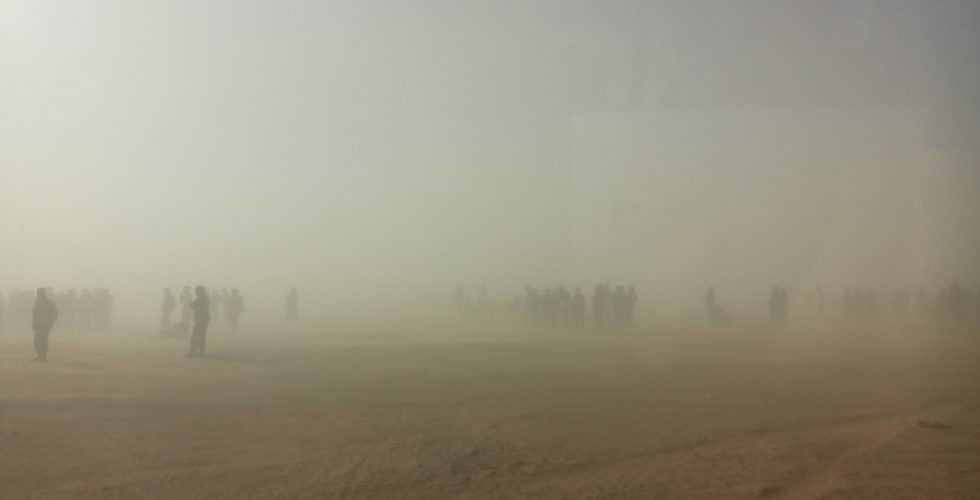
- Haze – Usually formed when sunlight hits small air pollution particles. Aside from causing breathing problems, it also obscures one’s visual clarity. For instance, electric power plants, industrial facilities, vehicles and automobiles, and construction activities may directly produce haze-causing pollutants. Others arise when gases such as sulfur dioxide and nitrogen oxides are moved downwind and combined to produce particles.
- Ozone Loss – Ozone is a gas found both on Earth’s surface and in the stratosphere (the layer of the earth’s atmosphere above the troposphere). It produces a protective layer against the sun’s harmful ultraviolet (UV) radiation. However, at ground level, it can impair human health. Man-made chemicals such as chlorofluorocarbons, hydrochlorofluorocarbons, and halons, are gradually destroying the “good” ozone. These chemicals are what we know as coolants, foaming agents, fire extinguishers, solvents, insecticides, and aerosol propellants.
- Global Climate Change – The Earth’s atmosphere contains a complicated mix of gases that retain part of the sun’s heat near the surface. This “greenhouse effect” actually helps in maintaining the Earth’s temperature. Sadly, increasing data shows that people have disrupted the natural balance by creating enormous amounts of greenhouse gases like CO2 and methane. As a result, the Earth’s atmosphere appears to be trapping more heat from the sun, producing global warming.
“Air Pollution Impacts”: Is it possible to avoid?
It is indeed hard to prevent air pollution especially in today’s environment of industrialisation and urbanisation. However, if we take specific steps to reduce the likelihood of adverse air pollution impacts, it may be effective! If efforts, patience, and perseverance are put together, change is definitely possible in the near future.
Air Pollution Impacts – Why do you need a consultant?
In 2020, there are a total of 3 cases reported for air pollution under section 28(a) (Open Burning) and 22(1) (Black Smoke Emission Greater Than Specified Standard) of Environmental Quality Act, 1974. If your business is likely to be under the Department Of Environment’s radar, you might want to consider getting expert advice from a qualified EIA consultant organization.
 Velcro Envirotech Sdn Bhd (VETSB) is an independent company offering a workable, manageable, achievable technical solution to various environmental challenges. Our technical team and consultants have more than 20 years of experience in environmental pollution control engineering and waste management.
Past project: Woman & Children Block and Cardiological Centre at Raja Permaisuri Bainun Hospital, Ipoh – bounded by several sensitive receptors such as schools, hospitals, and recreational areas. Its huge challenge is controlling environmental pollution. Therefore, VETSB covers the scope of Environmental Management Plan (EMP), Environmental Monitoring (EM), waste disposal, and provision of Environmental Officer (EO) to ensure the projects can meet the requirements outlined by Jabatan Kerja Raya (JKR).
Should you have further enquiries, you may contact Cik Haza (017-5004744) to arrange an appointment. Feel free to read more articles featured in our blog here.
This article is for public general information purposes only. It is not meant to be used or constructed as advice in any manner.